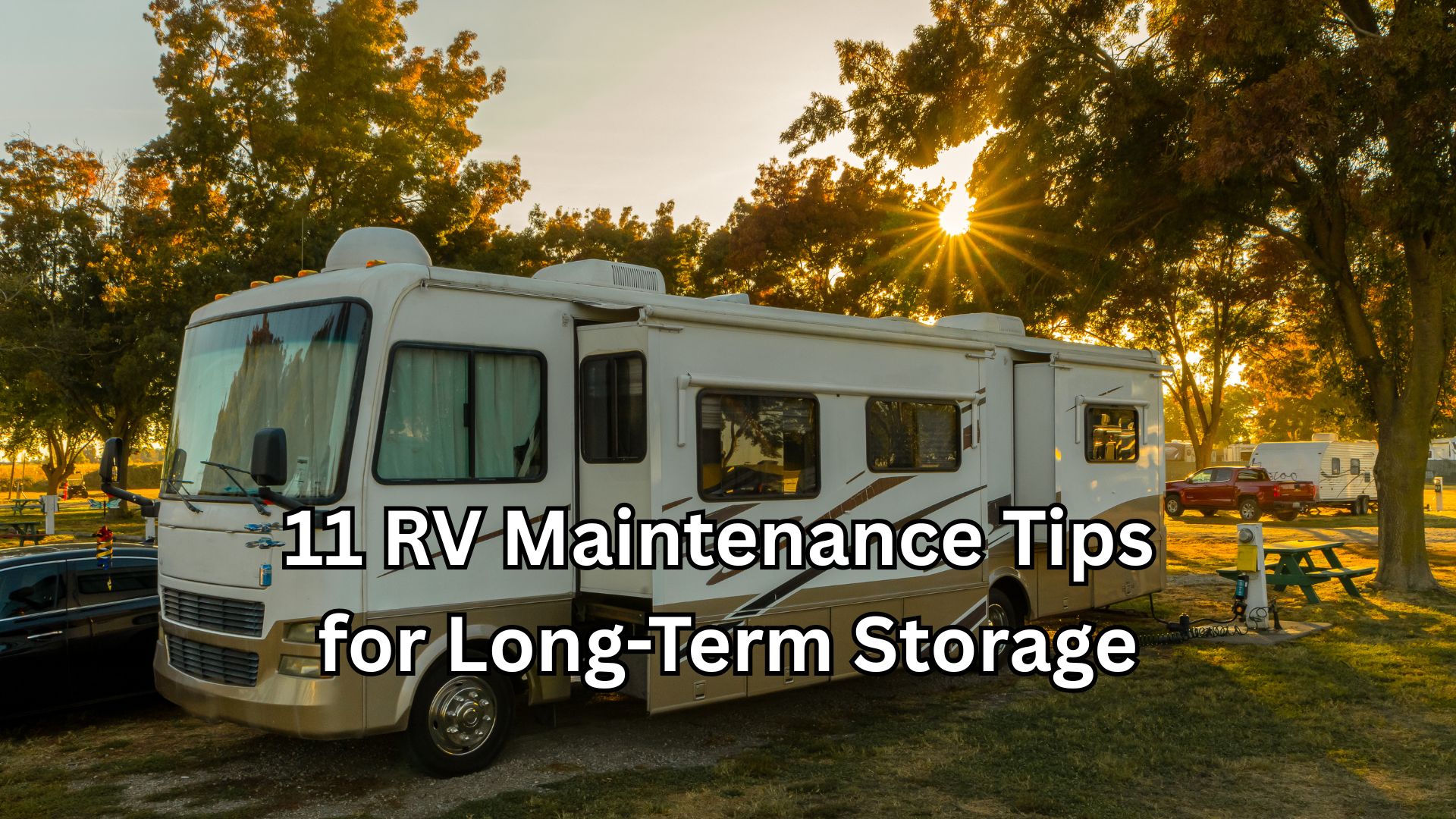
11 RV Maintenance Tips for Long-Term Storage


Storing your RV for an extended period is not as simple as parking it and walking away. Long-term storage can quietly cause damage to tires, batteries, plumbing, seals, and interior materials if the RV is not properly prepared. The good news is that with the right maintenance routine, you can protect your RV, avoid costly repairs, and make sure it is ready to go when travel season returns. This guide covers the most important RV maintenance tips for long-term storage, including what to clean, what to inspect, what to protect, and what to check before your next trip. Why Long-Term RV Storage Requires Maintenance RVs are built to travel, not to sit unused for months at a time. When an RV stays parked, parts that normally stay active begin to deteriorate. Rubber seals dry out, batteries lose charge, tires develop flat spots, and moisture can cause mold or corrosion. Long-term storage maintenance is about preventing slow damage that is easy to miss. Many RV owners only discover storage-related problems when they pull the RV out for a trip and realize something is leaking, dead, or no longer functioning properly. Preparing the RV correctly prevents those surprises and protects your investment. 1. Wash and Clean the RV Inside and Out One of the best RV maintenance tips for long-term storage is starting with a full cleaning. Dirt, road grime, bird droppings, and tree sap can damage exterior finishes if left on the surface for months. Cleaning also makes it easier to inspect for cracks, rust, or worn sealant. Inside the RV, remove food, crumbs, and trash to prevent pests. Wipe down counters, vacuum floors, and clean the refrigerator. Leaving food odors or residue in storage is one of the fastest ways to attract rodents and insects.A clean RV stores better and avoids unpleasant surprises when it is time to travel again. 2. Protect the RV From Moisture and Mold Moisture is one of the biggest threats during long-term storage. Even a small amount of trapped humidity can cause mold growth, ...


admin
February 3rd, 2026


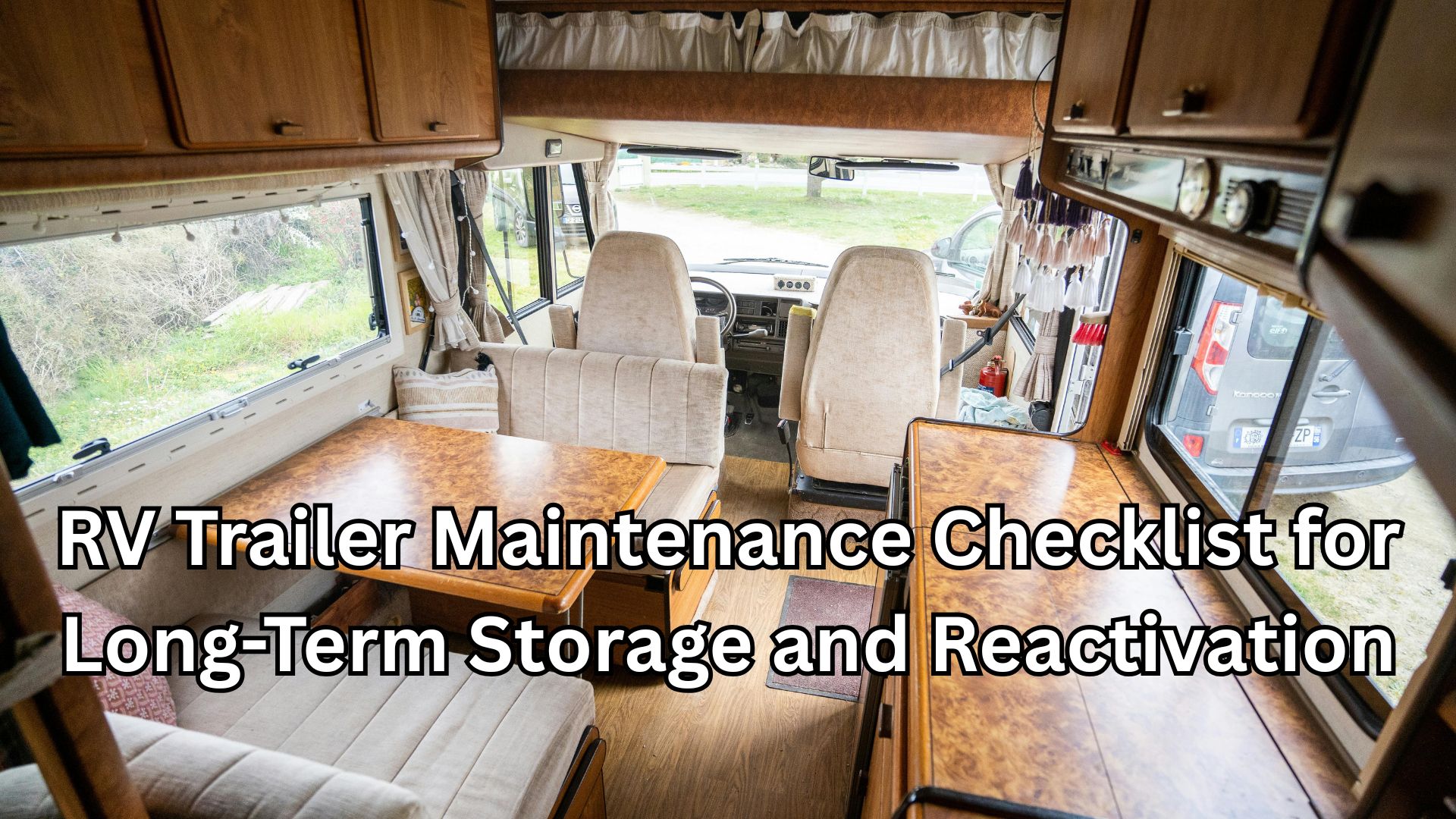
RV Trailer Maintenance Checklist for Long-Term Storage and Reactivation


Storing a travel trailer for weeks or months can cause problems that are easy to miss until your next trip. A complete RV trailer maintenance checklist for long-term storage and reactivation helps protect tires, batteries, plumbing, seals, and interior systems so your trailer stays in great condition during downtime and is road-ready when travel season returns. In this guide, you will learn exactly what to do before putting your RV trailer into storage and what to inspect when bringing it back into use. Following these steps can prevent expensive repairs, reduce breakdown risk, and extend the life of your trailer. Why Long-Term Storage Maintenance Matters for RV Trailers Travel trailers are built to move. When they sit unused, components dry out, moisture builds up, pests find entry points, and corrosion can start. Even if the trailer looks fine from the outside, storage-related damage can happen slowly and quietly. A storage checklist prevents missed steps like draining water lines, disconnecting batteries, and checking roof sealant. It also saves time during reactivation because you already know what was done before storage. In most cases, preventive storage maintenance costs far less than repairs caused by neglect. RV Trailer Maintenance Checklist for Long-Term Storage 1. Clean the RV Trailer Inside and Out Cleaning is the first and most important step before storage. Exterior grime, bird droppings, tree sap, and road salt can stain surfaces and damage protective coatings when left for months. A full wash also makes it easier to inspect for cracks, worn sealant, and early damage. Inside the trailer, remove anything that attracts pests or holds moisture. Clear out food, trash, and scented products, then vacuum floors and wipe down surfaces. Clean the refrigerator and leave the door cracked open to prevent mold and odors. A clean RV trailer stores better and is easier to reactivate. 2. Prevent Moisture, Mold, and Mildew During Storage Moisture is one of the biggest threats during long-term RV trailer storage. Humidity trapped inside can cause mildew odors, mold growth, and damage to upholstery, flooring, and cabinets. ...


admin
February 3rd, 2026


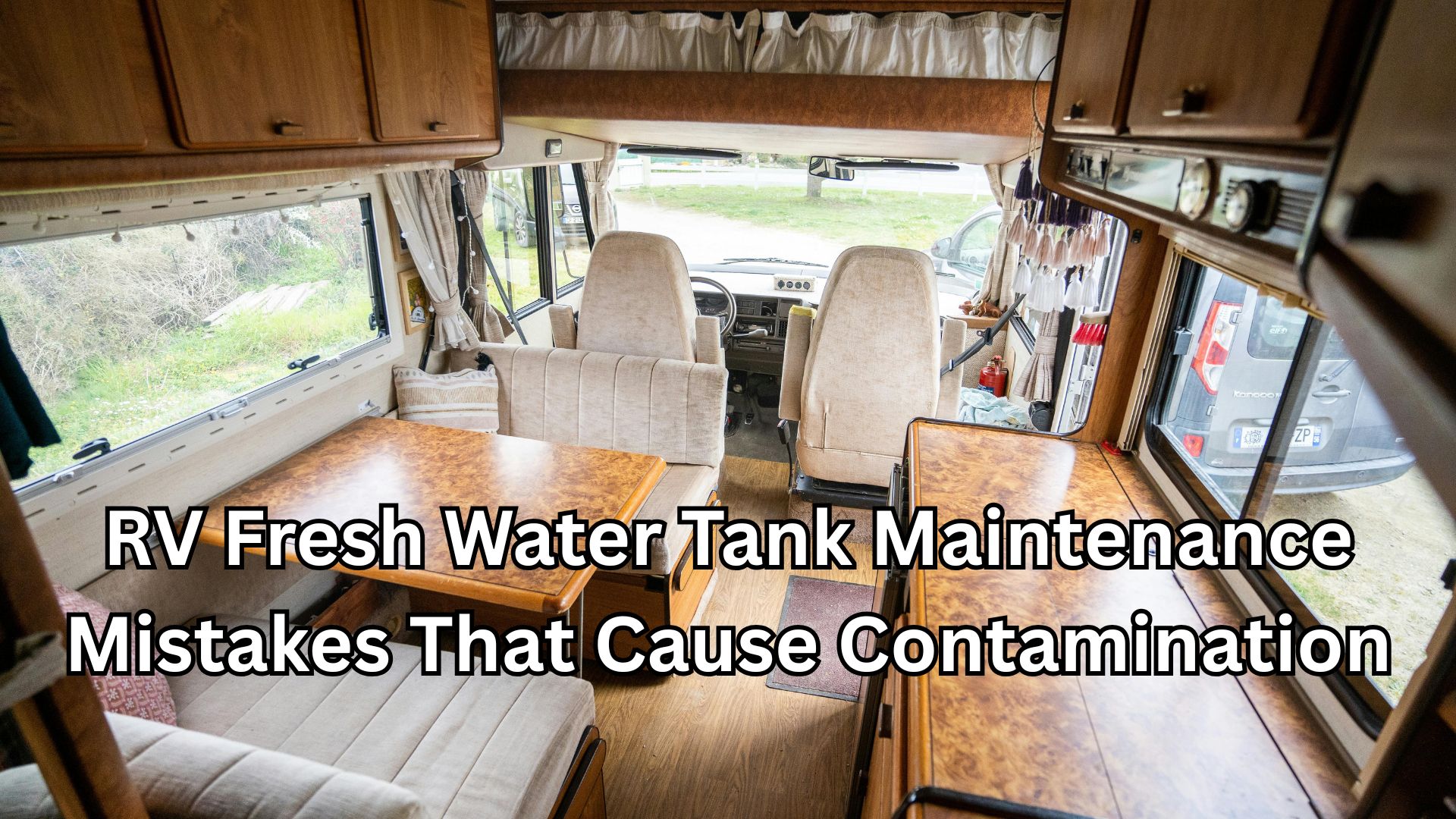
RV Fresh Water Tank Maintenance Mistakes That Cause Contamination


RV Fresh Water Tank Maintenance Mistakes That Cause Contamination RV Fresh Water Tank Maintenance is essential for safe drinking water while traveling. Your RV’s fresh water tank supplies water for cooking, washing, and drinking, but it can become contaminated if it is not maintained properly. Many RV owners assume their tank stays clean as long as it is filled with “fresh” water, but contamination often comes from avoidable maintenance mistakes. Understanding what causes contamination is one of the best ways to prevent illness, bad odors, and system damage. This guide breaks down the most common RV fresh water tank maintenance mistakes that lead to contamination, why they happen, and what you can do to keep your water system safe. Why RV Fresh Water Tank Contamination Happens Fresh water tanks are enclosed environments that can hold water for long periods. When water sits too long, bacteria can multiply, especially in warm conditions. Over time, buildup inside the tank and water lines can create the perfect setting for contamination. Contaminated water does not always look dirty. Even clear water can carry harmful bacteria that may cause stomach issues or other health problems. This is why RV fresh water tank maintenance should be treated as a health and safety priority, not just a routine RV task. Mistake 1: Not Sanitizing the Fresh Water Tank Regularly One of the biggest RV freshwater tank maintenance mistakes is skipping routine sanitizing. Even if the water looks clean, bacteria can build up inside the tank and water lines. Over time, biofilm can form, which is a layer of microorganisms that sticks to surfaces and becomes harder to remove. Sanitizing helps remove bacteria and reduce contamination risk. Many RV owners only sanitize after noticing odors or strange tastes, but by then, contamination may already be widespread. Following a consistent sanitizing schedule is one of the best ways to keep water safe. Mistake 2: Letting Water Sit in the Tank Too Long Leaving water in the fresh tank for weeks or months is a common cause of contamination. Stagnant ...


admin
February 3rd, 2026


What to Bring, Store, and Let Go When a Parent Moves to Assisted Living


Moving a parent or grandparent into assisted living is a big shift. It changes space, routines, and habits. With a simple plan and a few smart choices, you can protect keepsakes, keep stress down, and make the first week feel calmer. Keepsakes like photos, documents, wood furniture, leather, instruments, and textiles do better in stable conditions. This guide will walk you through the process of helping a loved one move into an assisted living community along with some tips on how to store their posessions. Start with a shared plan Talk as a family and agree on a clear goal for the move. Assign roles so everyone knows what to do. When you begin contacting or touring communities, confirm room size, what furniture is provided, and any restrictions. Here's what to ask and how to coordinate care expectations. If you plan to stage items, pick a nearby location. A-Z Storage on Sweeney Hollow Road serves Birmingham, Pinson, Trussville, Center Point, and Chalkville with climate controlled and drive up options. Measure first, then choose what goes Bring a tape measure to the new room. Measure wall to wall, closet depth, space beside the bed, and bathroom storage. Sketch the layout or mark up photos on your phone. Back at home, tag items that fit, get used, and bring comfort. Everything else gets a temporary parking spot in a storage unit for a calmer first week. Bring it, Store it, or Let it go Create three clear piles and keep them moving with visible labels so helpers stay on the same page. Bring Choose daily life and comfort items that fit the measured space. A favorite chair that truly fits A small nightstand and lamp One set of bedding, plus a spare A week of in-season clothing, plus a light sweater Eyeglasses, hearing aids, chargers, and labeled pill organizers One or two framed photos A short, familiar list prevents the room from feeling crowded on day one. Store Protect what matters that does not need to be in the room right away. Climate control is recommended for heat and ...


admin
October 31st, 2025


Contractor Storage in Birmingham: Where to Store Tools, Building Materials, and Improve Jobsite Flow


Exterior of A-Z Storage at 2155 Sweeney Hollow Rd, Birmingham, AL

Why Contractors in Birmingham Need Smart Storage Solutions Birmingham, Alabama, pulses with construction projects, from bustling downtown renovations to suburban expansions, fueled by a growing population of over 200,000. Contractors juggle heavy tools, lumber, and equipment, but cramped jobsites and Alabama's humid, stormy weather can clog workflows and risk damage. Storing gear off-site becomes a lifeline for keeping projects on track. That's where contractor storage Birmingham comes in. At A-Z Storage, located at 2155 Sweeney Hollow Rd, just off I-59 near the Birmingham-Shuttlesworth International Airport, you can store your materials securely. As a local expert who’s seen contractors navigate these challenges, I’ll share how to store construction tools near me, streamline operations, and leverage peak season tips for smoother jobsite flow. Why Do Contractors in Birmingham Need Off-Site Storage? Contractors face tight job sites where space for tools and materials is scarce, especially in Birmingham’s busy urban areas. Leaving equipment exposed risks theft or damage from summer storms or humidity. On-site clutter also slows crews, delaying timelines and frustrating clients. Off-site storage solves this. By using a facility like A-Z Storage, contractors can store construction tools near me, keeping sites clear. Secure units with gated entry and 24/7 surveillance protect assets, while climate-controlled options guard against rust or warping. Month-to-month leases align with project timelines, offering flexibility during peak seasons. Issue: Limited jobsite space slows progress. Solution: Move tools to storage for clear work areas. Issue: Weather or theft risks. Solution: Secure, climate-controlled units protect gear. Key Takeaway: Off-site storage declutters Birmingham jobsites, protects tools, and boosts efficiency during demanding seasons. How Can You Organize Tools and Materials for Storage? Smart organization maximizes storage benefits. Start by sorting tools, group power drills, saws, and small items in labeled bins for quick retrieval. For materials like lumber or drywall, stack neatly on pallets to prevent damage. Use sturdy, weatherproof containers to combat Alabama’s humidity, especially in non-climate-controlled spaces. At A-Z Storage, drive-up units make loading heavy equipment simple, and sizes from 5x10 to 10x30 fit everything from hand tools to bulk supplies. Plan regular ...


admin
September 29th, 2025


Why Locals Love A-Z Storage in Birmingham, AL


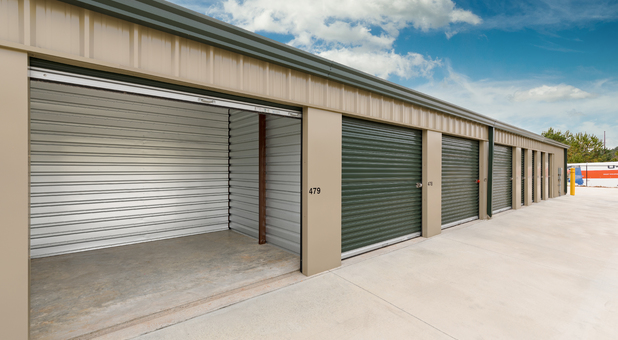
Outdoor Self Storage Unit with Open Door at A-Z Storage

If you’re looking for storage that’s easy to reach, simple to rent, and backed by the features that actually matter, A-Z Storage checks every box. Have questions or ready to rent? Call (205) 751-2590. Convenient Location A-Z Storage sits just off Sweeney Hollow Road, with straightforward access from Birmingham, Pinson, Trussville, Center Point, and Chalkville. Coming in from I-59? Take Exit 141 (N Chalkville Rd), continue on Chalkville Mountain Rd, then onto Sweeney Hollow Rd—you’ll be turning just a couple times before the facility appears on your left. The directions are simple from every nearby city, so you’re never stuck navigating backroads when all you want to do is load and go. Unit Options That Fit Real Life Whether you’re clearing space at home, staging a move, or tightening up business logistics, you’ll find options that match your needs: Drive-Up, Non-Climate Units Pull right up to your door and move in minutes. Great when you’re making frequent stops or handling heavier items. Climate-Controlled, Interior Units Extra protection from Birmingham's heat and humidity for items that benefit from a more stable environment. Ground-Floor & Interior Storage No fuss, no elevators, just quick, direct access. A-Z Storage also keeps popular sizes in rotation, with clear availability callouts (you’ll see “1 unit left!” when supply is tight) and frequent introductory deals. Features Locals Actually Use A-Z Storage keeps the experience simple and secure with the essentials: Climate-Controlled Units (for temperature-sensitive belongings) Drive-Up Access (park at your door) Fully Fenced & Gated facility Video Surveillance Controlled Gate Entry 24-Hour Access Boxes & Supplies on site Online Bill Pay and Online Rentals That mix means you can pick the right type of unit and handle everything—from renting to payments—on your schedule. Built for Households and Local Businesses The facility works just as well for weekend decluttering as it does for simplifying operations. Whether you're storing household items you don’t want underfoot, business inventory that needs a secure, nearby home base, or seasonal equipment you rotate in and out through the year, A-Z Storage offers practical solutions to match your needs. With a range of unit sizes, leveling up your ...


admin
August 27th, 2025


What NOT to Put in a Storage Unit


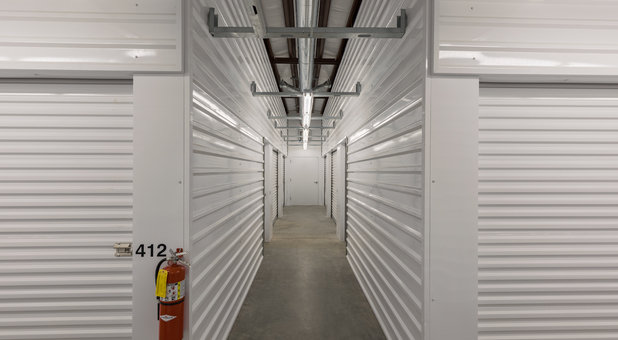
Interior self storage units at A-Z Storage

Hazardous, Risky, and Off-Limits Items Explained Storage units aren’t dumpsters or bank vaults. They’re shared spaces designed to be secure, clean, and predictable. Rules exist to protect you, your neighbors, the property, and first responders. In almost every lease, you’ll find restrictions that come down to four big risks: fire/explosion, contamination, pests/odors, and theft/liability. If it leaks, spoils, burns, attracts critters, or could get someone hurt, it doesn’t belong in a unit. The Definitive “Do Not Store” List 1) Flammables, Fuels, and Combustibles Gasoline, diesel, propane tanks, butane, kerosene, lighter fluid, paint thinners, solvents, aerosol cans, and most camping stove fuel are off-limits. Vapors can ignite, containers can rupture, and even “empty” tanks can be dangerous. Better option: Store fuels at home in approved containers per local code, return propane tanks to certified exchanges, or take them to your county’s Household Hazardous Waste (HHW) facility. 2) Explosives, Fireworks, and Ammunition Anything designed to detonate or combust is a hard no. That includes fireworks and most ammunition. Better option: Use a licensed firearms or sporting-goods facility for guidance, or store legally at home in approved containers as allowed by local law. 3) Toxic, Corrosive, or Reactive Chemicals Acids, bleach in bulk, pool chemicals, pesticides, fertilizers, automotive fluids (coolant, brake fluid, motor oil), and industrial cleaners can leak, react, or off-gas. Better option: Keep small, household quantities at home in labeled, upright containers; take surplus to an HHW site. 4) Pressurized or Hazardous Cylinders Propane, oxygen, acetylene, CO₂ beverage cylinders, and scuba tanks are typically prohibited due to rupture and explosion risk. Better option: Leave them with the supplier or store per manufacturer guidance at approved locations. 5) Perishables and Any Kind of Food Canned goods, pet food, rice, flour, spices, and even sealed snacks can attract pests and create odors. “Just a few groceries” quickly become a pest problem. Better option: Keep food at home; donate shelf-stable items to a local pantry if you’re between moves. 6) Living Things (and Things That Were Recently Alive) No plants, no animals, no aquariums with water. Plants bring in bugs and mold; aquariums ...


admin
August 27th, 2025


Categories