
11 RV Maintenance Tips for Long-Term Storage
admin
February 3rd, 2026
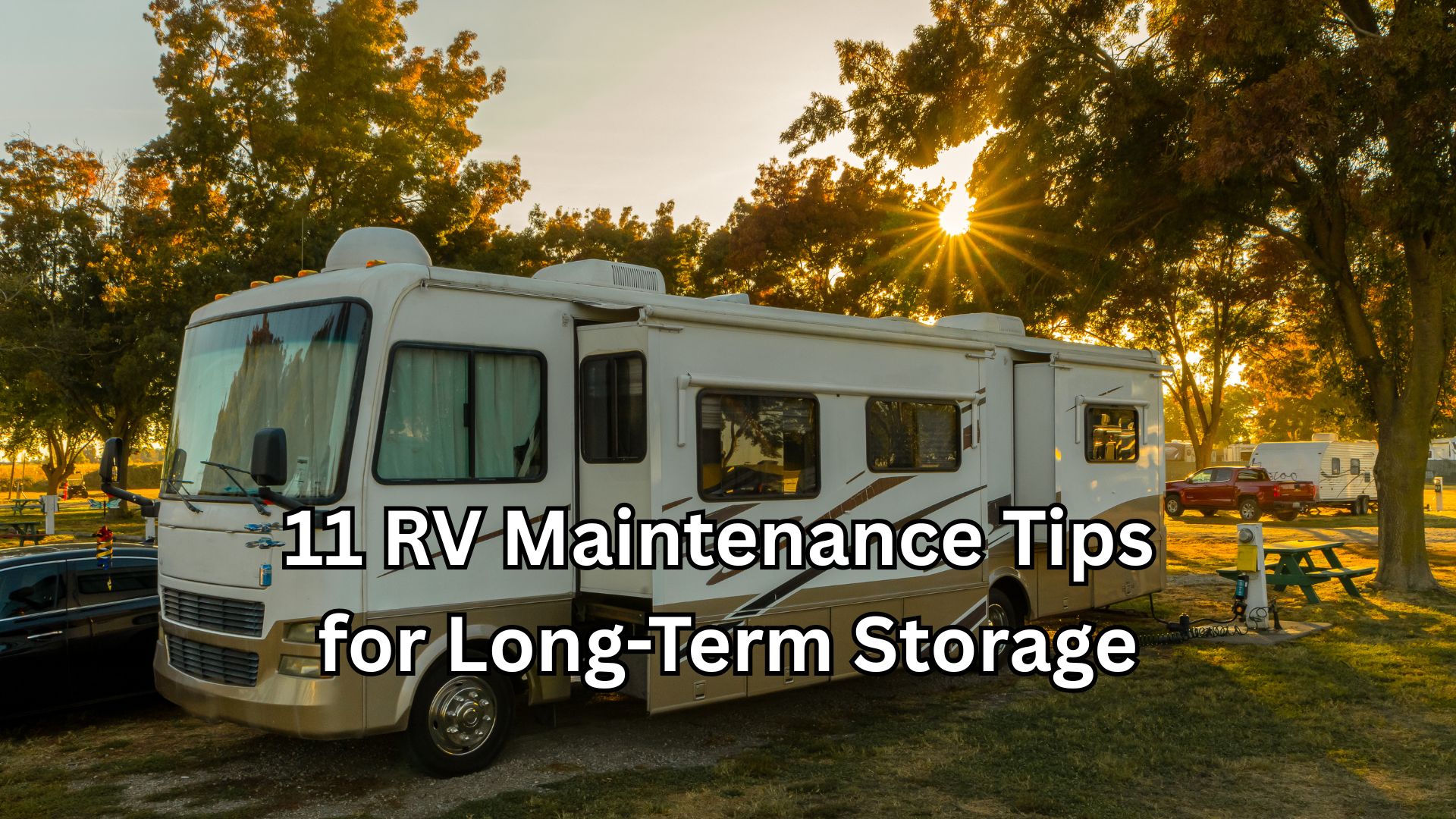
Storing your RV for an extended period is not as simple as parking it and walking away. Long-term storage can quietly cause damage to tires, batteries, plumbing, seals, and interior materials if the RV is not properly prepared. The good news is that with the right maintenance routine, you can protect your RV, avoid costly repairs, and make sure it is ready to go when travel season returns.
This guide covers the most important RV maintenance tips for long-term storage, including what to clean, what to inspect, what to protect, and what to check before your next trip.
Why Long-Term RV Storage Requires Maintenance
RVs are built to travel, not to sit unused for months at a time. When an RV stays parked, parts that normally stay active begin to deteriorate. Rubber seals dry out, batteries lose charge, tires develop flat spots, and moisture can cause mold or corrosion.
Long-term storage maintenance is about preventing slow damage that is easy to miss. Many RV owners only discover storage-related problems when they pull the RV out for a trip and realize something is leaking, dead, or no longer functioning properly. Preparing the RV correctly prevents those surprises and protects your investment.
1. Wash and Clean the RV Inside and Out
One of the best RV maintenance tips for long-term storage is starting with a full cleaning. Dirt, road grime, bird droppings, and tree sap can damage exterior finishes if left on the surface for months. Cleaning also makes it easier to inspect for cracks, rust, or worn sealant.
Inside the RV, remove food, crumbs, and trash to prevent pests. Wipe down counters, vacuum floors, and clean the refrigerator. Leaving food odors or residue in storage is one of the fastest ways to attract rodents and insects.A clean RV stores better and avoids unpleasant surprises when it is time to travel again.
2. Protect the RV From Moisture and Mold
Moisture is one of the biggest threats during long-term storage. Even a small amount of trapped humidity can cause mold growth, mildew odors, and damage to upholstery or wood surfaces.
To reduce moisture risks:
- Leave interior cabinets slightly open for airflow
- Use moisture absorbers or dehumidifier products
- Inspect vents and window seals for gaps
- Ensure the RV is completely dry before storage
If your RV will be stored in a humid climate, moisture control becomes even more important. Mold problems are expensive to remove and can spread quickly if ignored.
3. Inspect and Reseal Roof Seams and Exterior Seals
Long-term storage is the perfect time to check seals because the RV is not being used. Roof seams, vents, skylights, windows, and doors should be inspected for cracks or gaps.
Even a small crack in the sealant can allow water intrusion during storms. Water damage can spread behind walls and under floors without being noticed until it becomes severe.
Important inspection areas include:
- Roof seams and edges
- Vent covers and skylights
- Window and door frames
- Slide out seals and corners
Resealing small problem areas before storage is much cheaper than repairing water damage later.
4. Prepare Tires to Prevent Flat Spots and Dry Rot
Tires are often overlooked during storage, but they are one of the most expensive items to replace. RV tires can develop flat spots when they sit under a weight for long periods. They can also crack due to UV exposure, even if the RV is not moving.
To protect tires during storage:
- Inflate tires to the recommended pressure
- Use tire covers to block UV rays
- Park on boards or pads instead of bare ground
- Move the RV slightly every few weeks if possible
If storage will last several months, some owners use leveling blocks or jack stands to reduce tire load. Tire protection helps extend lifespan and reduces blowout risk later.
5. Battery Maintenance and Power Management
Battery problems are extremely common after storage. RV batteries naturally discharge over time, and if they drain too low, they can become permanently damaged.
Best practices include:
- Fully charge batteries before storage
- Disconnect batteries to prevent drain
- Use a battery maintainer or trickle charger if available
- Clean terminals and check for corrosion
If your RV has multiple battery systems, including house and chassis batteries, maintain both. Proper battery care is one of the most important RV maintenance tips for long-term storage.
6. Protect the Plumbing System
Plumbing systems can be damaged by freezing temperatures and long periods of non-use. If water is left in the lines, it can freeze and crack pipes or fittings. Even in warmer climates, standing water can cause odors and bacterial buildup.
For cold climates, winterizing is essential:
- Drain freshwater tanks and lines
- Drain the water heater
- Add RV antifreeze if required
- Flush and protect holding tanks
For warmer climates:
- Drain water tanks if possible
- Turn off the water pump
- Clean and flush tanks before storage
A plumbing issue discovered after storage can lead to leaks and interior damage, so this step should not be skipped.
7. Fuel System and Engine Preparation
If you are storing a motorhome or tow vehicle, fuel care matters. Gas and diesel can degrade over time, leading to fuel system issues.
Recommended steps include:
- Fill the fuel tank to reduce condensation
- Add fuel stabilizer
- Run the engine briefly to circulate the stabilizer
- Check oil and fluid levels
For longer storage periods, starting the engine occasionally may help, but it should be done properly to avoid moisture buildup. Following manufacturer guidance is recommended.
8. Maintain the Generator
Generators are designed to be used regularly. When left unused, fuel systems can clog, and internal parts can deteriorate.
Before storage:
- Change generator oil if needed
- Run the generator under load
- Shut it down properly
During long-term storage:
- Exercise the generator monthly if possible
A well-maintained generator will start reliably when you need power during future trips.
9. Prevent Pest Problems
Pests are one of the most frustrating storage issues. Rodents can chew wiring, damage insulation, and destroy upholstery. Even small insects can become a major problem if the RV is stored with food residue or has access points.
Pest prevention tips:
- Seal gaps around wiring and plumbing entry points
- Close vents or use pest screens
- Remove all food and scented items
- Use rodent deterrents or traps if needed
Checking for pests periodically during storage can help prevent major damage.
10. Cover and Store the RV Properly
Storage location matters. A covered or indoor storage option provides better protection against sun, storms, and debris. If outdoor storage is the only option, a quality RV cover can help.
When choosing storage:
- Look for secure gated access
- Consider covered parking if available
- Avoid low areas where water pools
- Make sure the RV is protected from falling branches
Proper storage conditions reduce the amount of maintenance needed later and help keep the RV in better condition.
11. Document Everything and Use a Storage Checklist
A checklist makes long-term storage preparation easier and prevents missed steps. Keeping a log also helps track what was done and when.
Your storage checklist should include:
- Cleaning tasks
- Tire pressure and protection
- Battery disconnection or charging plan
- Plumbing winterization
- Seal inspections
- Pest prevention steps
When it is time to take the RV out of storage, the checklist also makes it easier to reverse the process safely.
RV Storage Tips for Alabama Owners
Long-term RV storage is easier when your RV is kept in a secure, well-managed facility.
Choosing a storage location can help reduce exposure to harsh sun, storms, and debris, while also limiting pest risks and unauthorized access. This type of storage support makes it easier to protect tires, seals, and exterior materials during extended downtime.
If you are looking for a reliable storage solution in Alabama, AZ Storage offers convenient self-storage options that can support RV owners between trips or during off-season storage. For those in the Birmingham area, self-storage in Birmingham, AL, provides a local option for keeping your RV protected and accessible when you are ready to travel again.
Categories