
Climate Controlled FAQ: A Complete Guide for Storage in Birmingham, AL
Climate Controlled FAQ: A Complete Guide for Storage in Birmingham, AL
—
March 30th, 2026
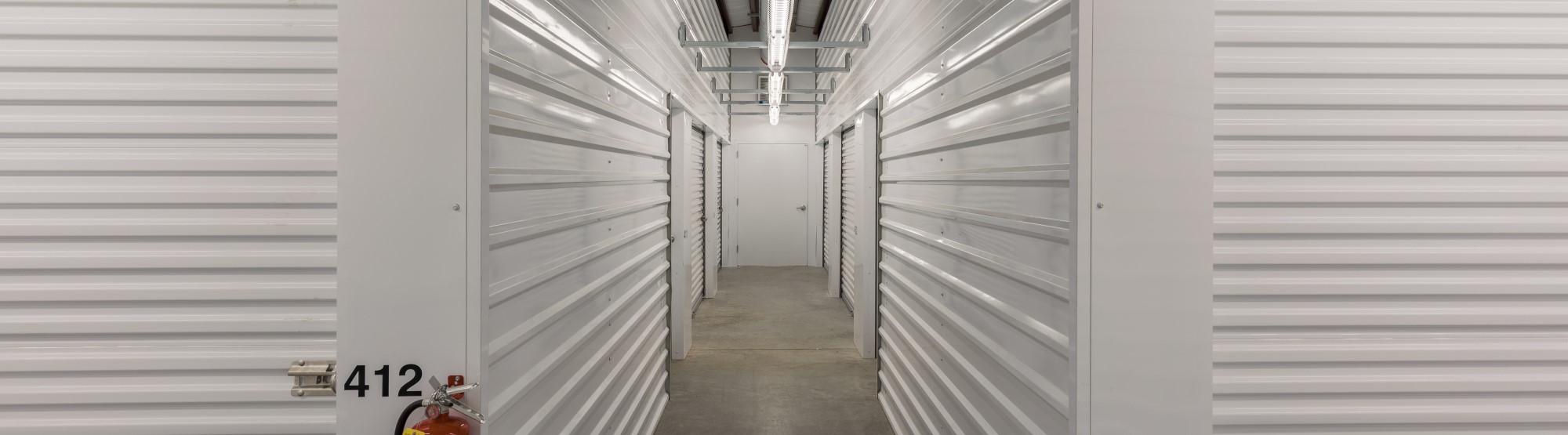
When researching storage solutions, it is natural to come across questions about temperature, humidity, and overall protection. This climate-controlled FAQ is designed to walk through those questions in a way that feels practical and easy to apply. If you are currently exploring storage options in Birmingham, understanding how climate-controlled units function can help you choose the right fit for your belongings.
At the same time, Birmingham, Alabama, brings a unique environmental backdrop that makes this topic especially relevant. The city’s combination of warm summers, steady humidity, and occasional seasonal shifts means that items stored without protection can slowly experience wear. Because of that, climate-controlled storage is not simply about convenience. Instead, it becomes a way to preserve conditions and extend the life of what you store. As we move through this guide, each section builds on the last, so you can clearly see when climate control makes sense and how it fits into everyday storage needs.
What Is Climate-Controlled Storage and How Does It Work?
To begin with, climate-controlled storage refers to units that maintain a steady indoor environment, typically keeping temperatures between 55 and 80 degrees Fahrenheit. In many cases, these units also help regulate humidity levels, which is just as important as temperature when it comes to long-term storage.
Unlike standard storage units that are exposed to outdoor weather conditions, climate-controlled spaces are located inside insulated buildings. Because of this setup, the internal environment remains far more stable, even when temperatures outside fluctuate throughout the day or across seasons. In Birmingham specifically, where summer heat can rise quickly, and humidity tends to linger, this controlled environment helps reduce the stress placed on materials. Over time, that stability can make a noticeable difference in how well items hold up.
Why Climate Controlled Storage Matters in Birmingham, AL
As you begin to connect the concept of climate control with real-world conditions, Birmingham’s climate plays an important role. The region is classified as humid subtropical, which means it regularly experiences warm temperatures combined with elevated moisture levels. Prolonged exposure to heat and humidity can accelerate the deterioration of materials such as wood, fabric, and electronics. Because of this, even items that seem durable at first glance may gradually weaken or degrade when stored in fluctuating conditions.
Additionally, Birmingham offers a wide range of outdoor experiences, from hiking trails at Red Mountain Park to relaxing afternoons at Railroad Park. Many residents keep recreational equipment, seasonal gear, or personal items that rotate in and out of storage throughout the year. With that in mind, climate-controlled storage creates a consistent indoor environment that helps balance out the effects of the local climate, especially during peak summer months.
What Items Benefit Most from Climate-Controlled Storage?
Once you understand how the environment impacts stored items, it becomes easier to identify what belongs in a climate-controlled unit. Some belongings are naturally more sensitive to temperature changes or humidity, which makes them better suited for this type of storage. For example, wooden furniture can expand and contract when exposed to heat and moisture, eventually leading to warping or cracking. Similarly, electronics contain internal components that can be affected by extreme temperatures, while paper items such as documents and photographs can fade or develop mold over time.
In addition, items like musical instruments, artwork, and delicate fabrics tend to require more stable conditions to maintain their original quality. Because these items often carry either financial or sentimental value, storing them in a controlled environment can help reduce long-term risks. At the same time, it is equally important to understand what should not be stored at all. For a clearer picture of those limitations, our guide on items you should avoid storing provides helpful guidance that complements climate control decisions.
Is Climate-Controlled Storage Worth the Extra Cost?
Naturally, cost becomes part of the conversation when comparing storage options. Climate-controlled units typically come at a higher monthly rate than standard units, largely due to the systems required to maintain consistent temperature and humidity levels. However, when you look at the bigger picture, the value often becomes clearer. Replacing damaged furniture, electronics, or irreplaceable items can quickly exceed the difference in storage cost over time. Because of this, climate control can be viewed as a preventative measure rather than an added expense.
In Birmingham’s environment, where humidity alone can lead to mold growth or material breakdown, that extra layer of protection often pays off in the long run. Instead of reacting to damage later, climate-controlled storage helps reduce the likelihood of those issues developing in the first place.
How Humidity Impacts Stored Belongings
While temperature often gets the most attention, humidity plays an equally important role in storage conditions. When moisture levels rise, materials begin to absorb water from the air, which can lead to swelling, mildew, or even structural damage. For instance, paper items may curl or stick together, while fabrics can develop unpleasant odors or mold. Leather goods may lose their shape, and appliances can experience internal corrosion if moisture accumulates over time.
The Environmental Protection Agency explains that mold growth can begin within 24 to 48 hours under the right conditions, particularly in warm and humid environments. Because Birmingham frequently experiences elevated humidity levels, climate-controlled storage helps maintain a more balanced environment that limits moisture buildup. Over time, this can significantly extend the lifespan of stored belongings.
Do Climate-Controlled Units Eliminate All Risks?
Even though climate-controlled storage provides a more stable environment, it is important to recognize that it does not eliminate every possible risk. Proper preparation still plays a key role in protecting your items. For example, items should always be clean and completely dry before being placed into storage. Packing materials also matter, as breathable covers and sturdy containers can help prevent damage during long-term storage.
In addition, certain items require maintenance before being stored. Recreational vehicles and water systems, for instance, need to be properly prepared to avoid contamination or mechanical issues. Our guide on RV water tank maintenance mistakes highlights how improper preparation can lead to preventable problems. By combining climate control with thoughtful packing and preparation, you create a more comprehensive approach to storage.
Comparing Climate-Controlled and Standard Storage Units
At this point, it helps to look at how climate-controlled units compare directly to standard storage options. While both serve a purpose, the differences become more noticeable depending on what you plan to store. Climate-controlled units provide a steady indoor environment that reduces exposure to heat and humidity. This makes them ideal for items that are sensitive or valuable. On the other hand, standard units offer a more basic solution that works well for durable items such as tools, outdoor equipment, or materials that are not affected by environmental changes.
In Birmingham, where seasonal shifts can still bring noticeable temperature variation, the decision often depends on how much protection your belongings require. For some items, a standard unit may be sufficient. For others, climate control offers a more reliable solution.
How Long Can You Use Climate-Controlled Storage?
Another common question in this climate-controlled FAQ involves storage duration. The good news is that climate-controlled units are suitable for both short-term and long-term use. For short-term needs, such as storing items during a home renovation or temporary relocation, these units provide a stable environment that prevents quick exposure to heat or humidity. For long-term storage, they help preserve items for months or even years without significant deterioration. Because the internal conditions remain consistent, climate-controlled storage becomes especially useful for items that are not accessed frequently but still need to remain in good condition.
Practical Ways to Maximize Protection
While climate-controlled storage already offers a strong level of protection, a few additional steps can further improve results. Thoughtful organization and preparation can make a noticeable difference over time.
- Elevate items slightly off the ground to improve airflow
- Use sturdy containers that protect against dust and shifting
- Leave small gaps between items to allow ventilation
- Store heavier items at the bottom to prevent pressure damage
As everything comes together, it becomes clear that climate-controlled storage is not just about maintaining a comfortable temperature. Instead, it is about creating a consistent environment that protects items from the gradual effects of heat and humidity. In a city like Birmingham, where environmental conditions can vary throughout the year, this added stability can help preserve both everyday belongings and items with long-term value. Whether you are storing furniture, electronics, or personal collections, climate control offers a practical way to reduce risk. If you are continuing to explore dependable storage options in Birmingham, keeping these insights in mind can help you choose a solution that aligns with both your needs and the local climate.
Categories